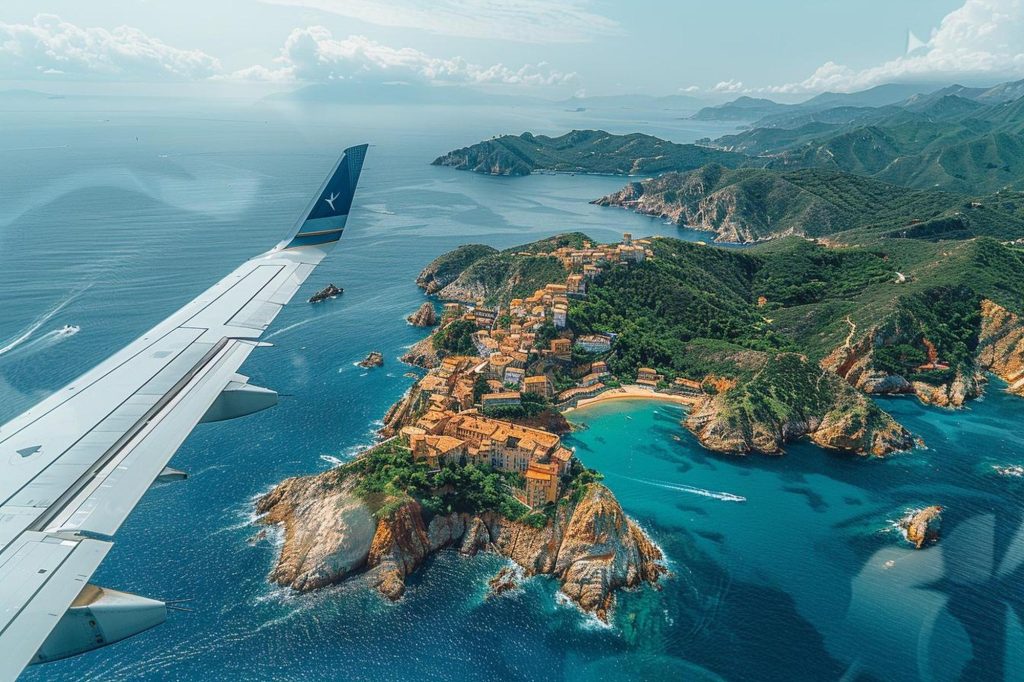
Les habitudes de voyage ont considérablement évolué ces dernières années. Alors que le tourisme traditionnel se concentre souvent sur la visite d’un maximum de destinations en un minimum de temps, une nouvelle tendance connue sous le nom de « slow travel » gagne en popularité parmi les voyageurs modernes.
Le slow travel encourage les gens à passer plus de temps dans moins de lieux, ce qui leur permet de découvrir pleinement la culture, le mode de vie et l’environnement de chaque destination. Au lieu de se précipiter entre les points d’intérêt, les voyageurs se concentrent sur des expériences significatives et des liens plus profonds avec les lieux qu’ils visitent.
L’une des raisons de l’essor du slow travel est l’intérêt croissant pour les expériences culturelles authentiques. De nombreux voyageurs souhaitent explorer les marchés locaux, goûter à la cuisine régionale et interagir avec les communautés locales plutôt que de se contenter de visiter des attractions touristiques.
Un autre avantage du voyage prêté est la réduction du stress. Les itinéraires de voyage traditionnels peuvent souvent sembler épuisants en raison des horaires serrés et des transports fréquents. Passer plus de temps dans un même lieu permet aux voyageurs de se détendre, d’explorer à leur rythme et de profiter d’une expérience plus immersive.
La sensibilisation à l’environnement joue également un rôle dans cette tendance. Les vols et les transports fréquents contribuent aux émissions de carbone, de sorte que certains voyageurs optent pour des séjours plus longs et des voyages moins nombreux afin de réduire leur impact sur l’environnement.
La technologie numérique facilite également les déplacements lents. Le travail à distance et les formules d’emploi flexibles permettent à de nombreux professionnels de travailler à partir de différents endroits tout en voyageant. Ce mode de vie, souvent appelé nomadisme numérique, permet de combiner travail et exploration.
Les plateformes d’hébergement et les services d’expérience locale ont soutenu ce mouvement en proposant des options telles que la location d’appartements, des ateliers culturels et des visites guidées locales.
En fin de compte, le slow travel est une question de qualité plutôt que de quantité. En prenant le temps de comprendre les destinations plus en profondeur, les voyageurs créent souvent des souvenirs plus richesses et des expériences plus significatives.